1. Common types of metallographic cutting wheels
Metallographic cutting wheels can also be called metallographic cutting discs, which are mainly used for sample cutting in the metallographic sample preparation process. Common metallographic cutting wheels on the market are:
⑴ Diamond cutting wheel: It is made by mixing diamond particles and metal powder. It has the advantages of high hardness, good wear resistance and long service life. It is suitable for cutting hard materials and brittle materials such as stone, ceramics and glass.
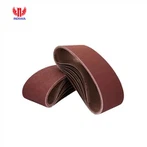
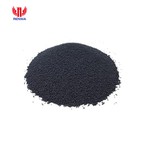
⑵ Silicon carbide cutting wheel: It is made by high-temperature sintering of silicon carbide and other additives. It has high hardness and is suitable for cutting hard materials such as metal, glass and ceramics. Silicon carbide cutting disc has good temperature resistance and can meet the needs of cutting at high temperatures.
⑶ Corundum cutting wheel: It is made by mixing alumina particles and other additives. It has high hardness, excellent wear resistance and low cost. It is suitable for cutting materials such as metals and light alloys.

2. Pay attention to the key points of choosing metallographic cutting wheels
The selection of metallographic cutting wheels has different requirements for different application scenarios. When choosing a cutting disc, the first thing to consider is its cutting ability. When choosing a cutting disc, you need to pay attention to the following key points:
⑴ The size and dimensions of metallographic cutting wheels.
The dimensions of metallographic cutting wheels mainly involve three aspects: diameter, aperture, and thickness. Metallographic cutting wheels are generally used with metallographic cutting machines, and the diameter and aperture of the cutting discs should be determined according to the specifications of the cutting machine. In terms of thickness, generally speaking, a thinner thickness design helps to better control the plastic deformation of the material structure caused by the cutting stress during cutting, and can also better control the accuracy of the cutting position. For those with high cutting accuracy requirements, try to choose a thinner cutting disc. However, when the cutting disc is too thin, the cutting disc may break or deform, so it is necessary to select a suitable cutting disc according to the sample and the cutting machine.
⑵ The hardness of the cutting material.
The materials are from soft to hard according to the hardness: plastic, rubber, non-ferrous metals, cast iron, stainless steel, tool steel, hardened steel, spring steel, bearing steel, alloy steel, heat-treated steel, sintered materials, ceramics, silicon wafers, quartz, cement.
In addition to diamond cutting wheels, silicon carbide cutting discs and corundum cutting discs are all consumable cutting discs, which are divided into soft and hard, and also have different life spans. Generally speaking, the life of a cutting disc with low hardness (soft) will be shorter, and the life of a cutting disc with high hardness (hard) will be longer. Soft cutting wheels are required for materials with high hardness.
⑶ Cutting effect.
The cutting effect mainly includes cutting speed, cutting surface finish and cutting surface residue. It is necessary to select the appropriate cutting wheel according to the requirements of different workpieces.
High-quality cutting wheels will make the cutting process feel light, the cutting surface is uniform and flat, and at the same time, the saw blade life is longer. To balance the relationship between these three, it is necessary to select the most suitable cutting disc based on a series of comprehensive considerations such as sample shape, hardness, and cutting machine performance.