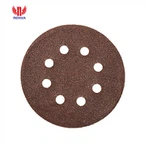
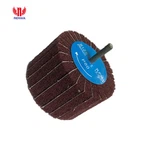
The normal color of calcined brown aluminum oxide should be brown or dark brown, but recently some production workers have reported that it has turned blue or red during their normal production process, which has puzzled them. This is actually a common situation, let's take a look at it together.
01 Production process of calcined brown aluminum oxide
The color of calcined brown aluminum oxide, whether blue or red, is primarily related to the smelting process.
Let me first briefly explain its smelting process: Pre-furnace preparation – Furnace opening – High-temperature smelting – Control – Refining – Tapping – Screening – Packaging.
Among these steps, refining is crucial. If the temperature is not sufficient, impurities in the raw materials-bauxite, carbon materials, and iron filings-cannot be completely removed. Furthermore, incomplete refining will result in excessively high titanium content in the raw materials, leading to a blue color; excessively high iron content will result in a red color.
In short, both of these issues stem from insufficient refining temperature, resulting in excessively high titanium or iron content in the finished product.
02 Calcined Brown aluminum oxide Raw Material
In addition, this may also be caused by substandard raw materials. If the titanium content in the raw material bauxite is too high, then no matter how high the temperature is, it will not be possible to remove a large amount of titanium, so the finished product will have a bluish color.
03 Blending ratio of calcined brown aluminum oxide raw materials
The raw materials for brown aluminum oxide have already been mentioned: bauxite, carbon materials, and iron filings.
The mixing ratio of these three raw materials is strictly controlled; even a slight difference can have drastic consequences. If the amount of iron filings added is not properly controlled, too much will cause the finished product to turn reddish.