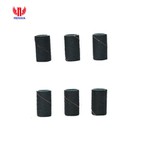
Abrasive cloth is a material widely used in various industrial and household projects. Choosing the right abrasive cloth can significantly improve work efficiency and ensure the quality of the final product. However, there are many different materials of abrasive cloth on the market, and users often find it difficult to judge which abrasive cloth is best for their project. In this article, we will take a deep look at how to choose the right abrasive cloth based on different materials to help you make an informed decision.
1. Basic concept of wear-resistant abrasive cloth
Wear-resistant abrasive cloth is mainly composed of base cloth and abrasive. The base cloth is usually made of paper, cloth or plastic, while the abrasive includes aluminum oxide, silicon carbide and corundum. According to the materials and processes used, wear-resistant abrasive cloth can be divided into many types, including dry abrasive cloth, wet abrasive cloth and multi-purpose abrasive cloth.
2. Types of materials for wear-resistant abrasive cloth
⑴ Aluminum oxide abrasive cloth
Aluminum oxide abrasive cloth is a common abrasive cloth suitable for grinding a variety of materials such as wood, metal and plastic. Its abrasive is hard and durable, suitable for medium to rough grinding work. The advantage of aluminum oxide abrasive cloth is that it wears away quickly and is suitable for large-area grinding operations.
⑵ Silicon carbide abrasive cloth
Silicon carbide abrasive cloth has extremely high hardness and is mainly used for grinding hard materials such as metal and glass. Its fine abrasive can provide a smooth surface, suitable for fine grinding and polishing work. However, compared with aluminum oxide abrasive cloth, silicon carbide abrasive cloth has poor wear resistance and is more suitable for light grinding.
⑶ Emery abrasive cloth
Emery abrasive cloth is the hardest abrasive cloth on the market, suitable for special grinding and use under extreme conditions. Its high wear resistance and long service life make it an ideal choice for industrial furniture and heavy machinery. However, the price of emery abrasive cloth is relatively high, suitable for users with a sufficient budget.
⑷ Paper-based emery cloth
Paper-based emery cloth is usually used for light sanding and is suitable for industries such as woodworking and auto repair. Due to its toughness and flexibility, this emery cloth is easy to bend and is suitable for sanding irregular surfaces.
⑸ Cloth-based emery cloth
Cloth-based emery cloth has strong wear resistance and is often used for heavy sanding work. It is suitable for fields such as metal processing, woodworking and auto repair, and can withstand high-intensity grinding.
3. Considerations for choosing the right sandpaper
⑴ Material type
Different materials are suitable for different sandpaper types. For example, if you are sanding wood, aluminum oxide sandpaper may be the best choice; for metal or glass, silicon carbide sandpaper should be selected.
⑵ Sanding method
The sanding method will also affect the choice of sandpaper. Dry sanding is suitable for surface treatment of most materials, while wet sanding is suitable for detailed polishing work. When choosing, you should consider the sanding method you need so that you can choose the right sandpaper.
⑶ Grit selection
The grit of the sandpaper largely determines the effect of sanding. Coarser grit (such as 60-80 mesh) is suitable for removing large amounts of material, while fine grit (such as 240 mesh and above) is suitable for fine polishing. When choosing, determine the appropriate grit size according to the needs of the project.
⑷ Work intensity
Choose the type and material of sandpaper according to the intensity of the project. If it is a light sanding, paper-based sandpaper may be sufficient; in a high-intensity industrial environment, a more wear-resistant cloth-based sandpaper or emery sandpaper is required.
⑸ Cost considerations
The prices of sandpapers made of different materials vary greatly, and users need to weigh performance and cost when choosing. In the case of a limited budget, consider the comprehensive benefits of wear resistance and service life and choose sandpaper with high cost performance.