Q: What is an honing stone?
A: Honing stone, also known as grinding stone. It is a common bar-shaped grinding tool that can be handheld or mounted on equipment for grinding. Like other grinding wheels, the formula of sharpening stone also selects different abrasives, hardness and organization according to different materials.
Q: What types of honing stones are there?
A: Honing stones can be divided into single-sided sharpening stones and double-sided sharpening stones. Single-sided sharpening stones are with one abrasive and one grit size that we usually use. Double-sided sharpening stones are made of two materials or two grit sizes on the same whetstone.
Q: What shapes does honing stone come in?
A: In addition to the common square grinding stones, there are also various shapes such as bars, cylinders, semicircles and knives. These grinding stones of different shapes can better adapt to different grinding tasks.
Q: What abrasives are honing stones made of?
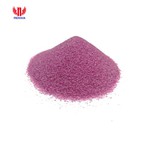
A: The abrasives used to make segment and sharpening stones include WA, GC, SC, WA/GC (mixed abrasive), WA/SC (mixed abrasive), WA/C (graphite oilstone), etc.
Q: What are the binders for honing stone?
A: There are ceramics, resins, glass ceramics, polyethylene and graphite, etc. The binder must maintain a certain firmness of the abrasive bond and be easy to sharpen.
Q: How is honing stone used?
A: Segment and sharpening stones can be used not only for grinding, but also as dressing tools. We usually call them dressing grinding stones. As dressing grinding stones, their grit is generally coarser than the grinding wheel being dressed. Some grits can even reach 24#. However, segment and sharpening stones are usually only suitable for rough dressing or sharpening tasks. For more complex shaping work, diamond dressing pens and dressing rollers are required.