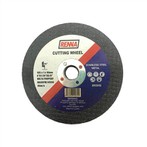
Silicon carbide (SiC) has become a popular material in the refractory industry due to its unique properties. Its high hardness, chemical resistance, and thermal stability make it an excellent material for grinding applications. Silicon carbide is produced using a high-temperature process, which results in a crystalline structure that makes it one of the hardest materials on the planet.
In the grinding industry, SiC is used for a variety of applications, including cutting, grinding, and finishing of metals, ceramics, and other materials. The use of SiC in the refractory industry has increased significantly in recent years, owing to its ability to withstand high temperatures. Silicon carbide is also known for its high thermal conductivity, which allows it to dissipate heat quickly during the grinding process, reducing the risk of thermal damage to the workpiece.
The use of SiC in the refractory industry has revolutionized the grinding process by enabling the design of advanced grinding tools. Silicon carbide abrasives are used in the construction of grinding wheels, belts, and discs. The use of SiC abrasives has led to a significant increase in grinding efficiency and the quality of the final product.

One of the main advantages of SiC in the refractory industry is its durability. Silicon carbide has a high resistance to wear and tear, making it an ideal material for grinding applications. It is also resistant to chemical corrosion, which makes it ideal for use in harsh environments.
Silicon carbide has proved to be a game-changer in the grinding industry, reducing the cost of grinding while increasing productivity. The use of SiC abrasives in grinding tools has allowed for the design of more efficient and durable grinding equipment. This has led to an increase in the quality of the final product and a reduction in the cost of production.
The use of SiC abrasives has also led to a reduction in the environmental impact of grinding operations. Silicon carbide is a naturally occurring material that can be recycled, reducing waste and reducing the need for new raw materials. Silicon carbide is also a relatively inert material that does not release harmful gases or substances during the grinding process.