Reasons for napping in surface grinding:
There are mainly the following aspects:
Caused by abrasive grains falling between the grinding wheel and the workpiece during grinding;
The coolant is not clean: the coolant will bring abrasive particles or debris into the grinding wheel during grinding and cause it;
There are individual raised abrasive grains on the working surface of the grinding wheel: After the grinding wheel is trimmed, the individual raised abrasive grains cannot be cleaned with a brush, which may easily cause the workpiece to be roughened;
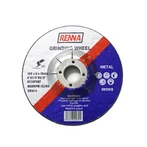
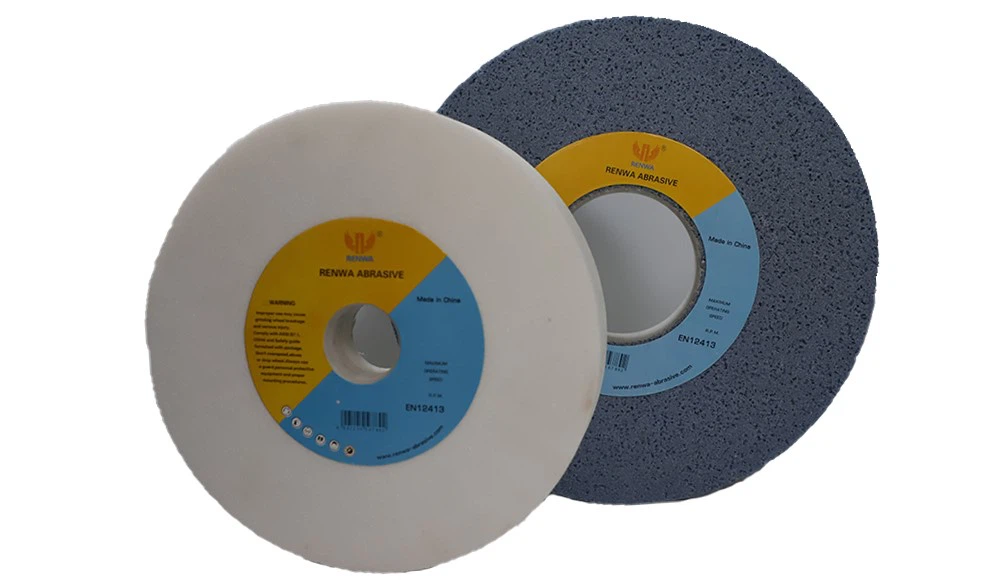
The quality of the selected grinding wheel is not good: when the abrasive material of the grinding wheel is relatively brittle, the hardness of the selected grinding wheel is low or the hardness uniformity is not good, and the grinding wheel with too coarse grain size is used for fine grinding, it is easy to cause napping;
The surface roughness of the workpiece in the previous process is high: due to the less removal of the surface of the workpiece during grinding, the grinding marks of the previous process are left;
Grinding debris is left on the surface of the workpiece, or due to the accumulated grinding debris or sand particles on the grinding wheel cover, it falls on the surface of the workpiece during the grinding process and is caught between the grinding wheel and the workpiece, resulting in rough scratches.
Preventive measures:
1. Filter the coolant well to prevent impurities from being brought into the coolant during grinding.
2. After dressing the grinding wheel, turn on the coolant and clean it with a brush.
3. Because some abrasive grains on the surface of the workpiece cannot be washed away, when the first workpiece is ground by the newly trimmed grinding wheel, the grinding allowance should be slightly larger, so that the raised abrasive grains fall off before normal work can be performed. This measure is more suitable for softer workpiece materials.
4. Choose a grinding wheel with a finer particle size. When the workpiece material has high toughness, the toughness of the selected grinding wheel abrasive is also high, and the hardness of the grinding wheel should also be higher. In addition, the grinding wheel with uneven hardness should be replaced in time.
5. The surface roughness of the workpiece before each process must meet certain requirements.
6. Select the appropriate grinding allowance and dressing amount.
7. In order to prevent the abrasive grains on both sides of the grinding wheel from falling off during grinding due to low bonding strength, both sides of the grinding wheel should be trimmed into a stepped chamfer.
8. Adjust the position of the cooling nozzle to ensure that the coolant is always flushed in front of the grinding wheel. At the same time, it is necessary to frequently clean the accumulation of abrasive debris and abrasive grains on the wheel cover to ensure that no accumulation falls into the workpiece during grinding.