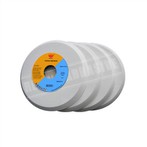
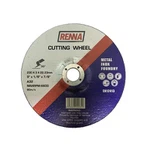
Ceramic Abrasive is made from a mixture of ceramic and abrasive materials that are fused together using a high-heat sintering process. It is an incredibly hard and dense material that has excellent wear resistance and toughness, making it ideal for use in the grinding industry. The material is available in various shapes and sizes, including discs, wheels, and belts, and can be used to grind a wide range of materials, from metals to ceramics.
One of the benefits of using Ceramic Abrasive in the grinding industry is its longevity. It has a significantly longer life span than other abrasives such as aluminum oxide or silicon carbide. This means that fewer replacements are needed, resulting in cost savings in the long run. Additionally, the abrasive grain fractures during use, creating new cutting edges and allowing for a consistent finish throughout the entire grinding process. This is crucial, especially when working on large surfaces.
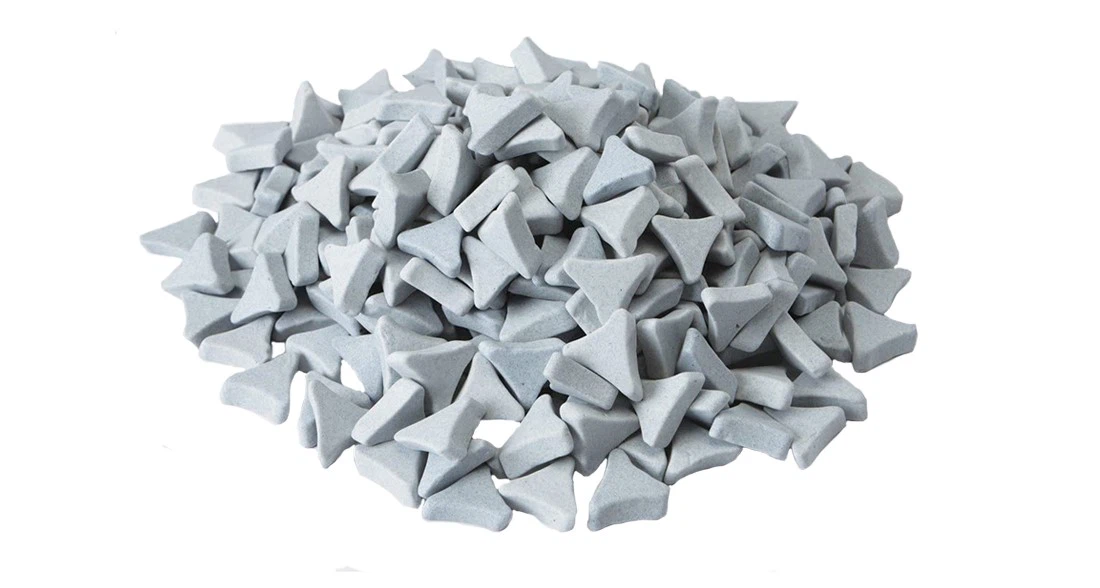
Another significant benefit of using Ceramic Abrasive is its ability to cut faster and cooler than traditional abrasives. This is because of the material's high thermal conductivity, which dissipates heat quickly, reducing the risk of overheating and damage to the workpiece. This makes it ideal for use in applications that require high stock removal rates, as well as those with delicate materials. Additionally, the material's aggressive cutting action results in reduced processing times and increased productivity.
The use of Ceramic Abrasive in the grinding industry has also had a positive environmental impact. Traditional abrasives such as aluminum oxide and silicon carbide generate a significant amount of dust and waste during use, which can be harmful to the environment and to the users. Ceramic Abrasive, on the other hand, produces minimal dust and waste, making it a more sustainable and eco-friendly option.