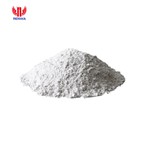
Divided by color, there are two types of silicon carbide: black silicon carbide and green silicon carbide. In the refractory industry, black silicon carbide is more commonly used. The following editor will introduce to you the use of black silicon carbide in the refractory industry.

1. High-grade refractory material black silicon carbide micropowder, also a first-class silicon carbide. The silicon carbide composition requirements of this category are the same as those used for abrasives. Generally, primary silicon carbide is mainly used to manufacture high-grade silicon carbide products, such as recrystallized silicon carbide products, gas turbine components, nozzles, lining materials for high-temperature blast furnaces, and high-temperature kilns. Components, refractory saggers, etc., the content of primary silicon carbide is high, and the quality of the products produced is good.
2. Secondary refractory material black silicon carbide powder. This type of silicon carbide contains more than 90% silicon. It is generally used in the manufacture of kiln components that are resistant to medium and high temperatures. Silicon carbide has good heat resistance, good thermal conductivity and good chemical stability.
3. Low-grade refractory material black silicon carbide micropowder, also tertiary silicon carbide. This category requires a silicon carbide content of not less than 83%, and is generally used in the lining of tapping troughs, ladles, zinc smelting and sponge iron manufacturing industries.
Silicon carbide is used to prepare refractory brick products. There are four key technologies for silicon carbide to be used in refractory materials:
1. Oxide bonding: aluminum silicate, silicon dioxide, etc. are used as bonding agents.
2. Nitride combination: combination of silicon nitride, silicon oxynitride and sialon.
3. Self-combination: add a certain proportion of graphite and metal silicon, and silicon carbide will be formed by reaction at high temperature.
4. Recrystallization: through the principle of evaporation and condensation, silicon carbide particles are sintered at ultra-high temperature.