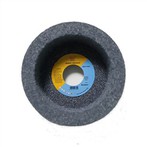
Crankshaft grinding wheels are special abrasive tools that are designed to grind and polish the surfaces of crankshafts. These wheels are made up of a variety of materials, including ceramic grains, vitrified and resin bonds, and diamond particles, that give them varying degrees of hardness and resilience. This makes them ideal for removing minute amounts of material from the crankshaft without damaging its surface or compromising its structural integrity.
One of the greatest benefits of crankshaft grinding wheels is their precision. These wheels can be used to achieve accurate measurements of the crankshaft's dimensions and surface tolerances. Advanced computer-controlled grinding machines utilize this precision to create perfectly smooth and round crankshaft surfaces that reduce friction, wear, and tear on the engine's moving parts. This enhances the engine's performance, reduces its fuel consumption, and extends its lifespan.

In addition to their precision, crankshaft grinding wheels are also known for their durability. These wheels are designed to withstand the high-speed rotation and pressure required to grind and polish crankshaft surfaces effectively. Their strong and heat-resistant materials can withstand extreme conditions without breaking down or losing their shape. This ensures that the wheels produce consistent results over time, making them an essential tool for the production and repair of crankshafts.
The development and use of crankshaft grinding wheels have significantly impacted the grinding industry, improving the quality and efficiency of engine repair and manufacturing. With an increasing demand for high-performance engines, crankshaft grinding wheels are expected to continue playing a critical role in meeting this need. As technology advances, it is probable that crankshaft grinding wheels will become even more advanced and sophisticated, further enhancing the production and maintenance of high-performance engines.