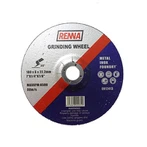
In modern industrial manufacturing and materials processing, the performance of abrasive materials directly affects production efficiency and product quality. Aluminum oxide sandpaper, a type of sandpaper that can be used both wet and dry with alumina as the abrasive, has become a revolutionary product in the abrasive materials field thanks to its innovative technological breakthroughs and superior performance, bringing new processing solutions to numerous industries.
01 Diverse Application Environments of Aluminum oxide Sandpaper
Aluminum oxide sandpaper plays a crucial role in numerous industrial sectors due to its wide applicability. In mold making, its precise sanding capabilities effectively improve surface finish, ensuring mold forming accuracy and laying the foundation for precision component manufacturing. In metalworking, it efficiently removes burrs, oxide layers, and other imperfections from metal surfaces, improving surface quality and enhancing the durability and aesthetics of metal products.
In the woodworking industry, aluminum oxide sandpaper provides consistent and high-quality sanding results for both rough woodworking surface treatments and fine woodworking polishing. Furthermore, in stone, glass, and ceramic processing, its unique abrasive properties adapt to the sanding needs of materials with varying hardness, facilitating high-precision processing of various crafts and building materials. In addition, it demonstrates strong adaptability in emerging fields with extremely high surface treatment requirements, such as plastics and rubber processing, and electronic information material processing, ensuring high-quality product delivery.
02 Aluminum oxide Sandpaper's Superior Performance Advantages
The technological advantages of aluminum oxide sandpaper are reflected in multiple dimensions. Using alumina as the abrasive, it possesses excellent hardness and wear resistance, significantly extending its service life compared to traditional sandpaper. This drastically reduces replacement frequency, minimizes downtime, and effectively improves production efficiency. From an economic cost perspective, its low price and extended service life achieve extremely high cost-effectiveness, saving companies considerable production costs.
Regarding equipment compatibility, aluminum oxide sandpaper can be perfectly integrated with various common grinding equipment such as angle grinders and eccentric vibratory grinders. It leverages the characteristics of different equipment to meet diverse grinding needs. This high degree of compatibility not only improves equipment efficiency but also provides users with more flexible processing options.
03 Precautions for using aluminum oxide sandpaper
1. Operating Procedures:
First, determine the type of material to be sanded: metal, wood, or another material. Different materials require different abrasives. For example, aluminum oxide sandpaper is preferred for sanding metal, while silicon carbide sandpaper is more suitable for sanding wood. Before use, select the appropriate sandpaper grit based on the material and process requirements to avoid affecting the sanding effect or damaging the material surface. During sanding, maintain a suitable angle and pressure between the sandpaper and the work surface to prevent localized overheating or excessive abrasion of the sandpaper.
2. Storage Conditions:
Store in a dry, well-ventilated environment to prevent moisture from causing the sandpaper to stick or the abrasive to fall off, affecting its performance. Keep away from sharp objects to prevent scratches on the sandpaper surface.
3. Safety Precautions:
When performing sanding operations, always wear protective eyewear, a mask, gloves, and other protective equipment to prevent injury from sanding dust and debris. When using electric sanding equipment, ensure the equipment is properly grounded to avoid the risk of electric shock.
4. Equipment compatibility:
Before using the equipment with angle grinders, eccentric vibratory grinders, etc., check whether the equipment is installed firmly and ensure that the sandpaper is installed correctly to avoid safety accidents such as sandpaper falling off during high-speed operation.