Grinding is the key to preparing metallographic samples, which is a general consensus among metallographic sample preparation engineers. How can we quickly grind out the ideal metallographic sample surface? If you want to improve the efficiency of metallographic sample preparation, start with choosing metallographic sandpaper!
On the market, there are many metallographic sandpapers of various brands, materials, and models, imported and domestic, silicon carbide, aluminum oxide, corundum, ceramics, diamonds, etc. There are so many, how to choose? Among the dazzling array of metallographic sandpapers, silicon carbide metallographic sandpaper is more widely used and more commonly used, which is basically equivalent to the general type. Among them, water-resistant metallographic sandpaper is the preferred choice, which can be ground not only manually but also automatically. However, among water-resistant silicon carbide sandpapers, the quality is also uneven, and the following methods are needed to identify the quality:
1. Look at the appearance:
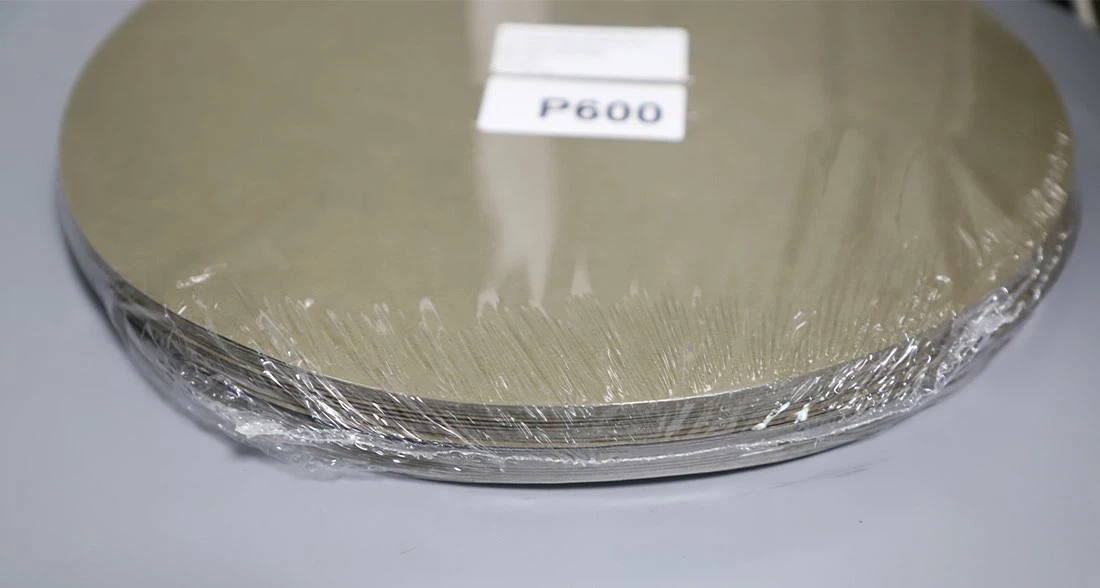
Metallographic sandpaper supplied by regular manufacturers will have standardized packaging boxes and product labels. The labels will clearly indicate the product name, brand, model, size, particle size, usage and precautions, as well as the sandpaper batch. When you take the sandpaper out of the packaging box, you will see obvious abrasive particle size labels such as "600/P1200" and related labels on the back of the sandpaper. The labels are clear and standardized.
2. Touch with your hands:
Touch the surface of metallographic sandpaper with your hands, and the abrasive grains will feel even, dense and flat. If you rub it hard with your palm, there will be no grain loss; if you leave it flat for a long time, there will be no curling. The quality of such sandpaper is basically acceptable.
3. Actual trial:
The key step is trial! After the selected metallographic sandpaper meets the above two conditions, it is recommended to purchase a trial pack of metallographic sandpaper, use it to prepare samples, and use the results as a criterion. Practice is the reliable standard for testing quality, and I believe everyone agrees with this. After actual trial comparison, the sandpaper with good grinding performance, high removal rate and wear resistance is judged to be better. The wear-resistant sandpaper will also have a longer service life and better cost performance.
If you want to improve the efficiency of metallographic sample preparation, start by choosing metallographic sandpaper! Through the methods introduced above, you can select metallographic sandpaper with better quality. Have you learned these selection methods?