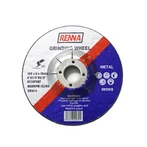
A flap disc, also known as a flap wheel, is a common coated abrasive used for grinding and finishing both metal and non-metal surfaces. It offers a practical combination of safety, efficiency, low consumption, and consistent grinding performance. Flap discs are widely used in furniture manufacturing, machinery, automotive, shipbuilding, kitchen equipment, aerospace, and other industries for deburring, weld blending, paint removal, rust removal, grinding, and surface finishing.
Demand for flap discs remains high, with market consumption having increased steadily in recent years. However, many buyers still find it difficult to choose a product that offers the right balance of quality, price, performance, and safety.
For many grinding and polishing operators, a flap disc is a familiar shop-floor consumable. In simple terms, it is made by cutting abrasive cloth into pieces of the same size and arranging the individual flaps around the edge of a backing plate in an overlapping, fan-like pattern. The flaps are then bonded in place to form the finished abrasive wheel.
So, how should you choose a flap disc?
The basic rule is to prioritize quality and manufacturer reliability, then compare performance, price, packaging, and other factors.
1. Prioritize Quality and Choose a Reliable Brand
Whether you have extensive experience purchasing flap discs or are buying them for the first time, choosing a reputable manufacturer is a good starting point.
When purchasing a flap disc, it is best to source it through an established abrasive supplier or authorized distributor. As an important coated abrasive product, its quality can directly affect grinding efficiency, finishing consistency, and operator safety.
Poor-quality, unbranded products may have inconsistent abrasive performance, uneven construction, weak bonding, or excessive flap loss. These problems can disrupt production and may also create safety risks. For this reason, quality and manufacturer reputation should be considered before simply comparing prices.
2. Check Safety and Product Packaging
A professionally manufactured flap disc should have consistent and complete packaging and product identification. Standard packaging normally provides key information on the inner and outer cartons and designated areas of the product, including specifications, model, grit, quantity, brand, production date, batch or traceability code, abrasive cloth type, and backing plate type.
The product itself should also be inspected after opening the package. An out-of-round disc, uneven adhesive around the inner or outer edge, poor finishing, excessive abrasive shedding, contaminated flaps, mixed grit sizes, rough edges, uneven flap widths, curled flaps, missing corners, poorly joined sections, deformed pieces, or loose abrasive cloth can all indicate a quality problem.
These details should be checked carefully before the flap disc is put into service.
3. Test the Product in Actual Grinding Conditions
The best way to evaluate a flap disc is to test it under the actual working conditions.
During a trial, check whether it offers good wear resistance, stable grinding performance, high stock-removal efficiency, and consistent flap retention without excessive flap separation. Environmental considerations should also be taken into account where applicable.
It is also worth examining the internal construction and materials of the product and checking the relevant product standards. More importantly, the disc should match the actual grinding or finishing requirements of the application.
The correct combination of disc specification, grit size, abrasive type, backing, and machine parameters can make a significant difference. Choosing an unsuitable specification can result in poor grinding performance and unnecessary costs.
4. Compare Price and Service
There is a common saying in purchasing: compare several suppliers before making a decision. Price comparison is useful, but it should not be the only consideration.
Once you have identified products with comparable quality and pricing, the next factor to compare is service. Technical support, product selection assistance, sample testing, delivery reliability, and after-sales support can all make a difference when purchasing industrial abrasives.
Good supplier service provides additional support throughout the product's working life and can be particularly valuable when a flap disc is being used in demanding production environments.
A flap disc is a versatile abrasive product, but choosing the right one requires more than simply comparing prices or specifications. The same disc can produce very different results depending on the material, machine, grinding pressure, and application.
When purchasing a flap disc, take the time to inspect the product, understand its specifications, compare suppliers, and consider the actual grinding requirements. A well-made, durable, efficient, and properly matched abrasive can help improve productivity and reduce long-term operating costs.