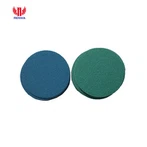
Q: What is waterproof abrasive paper?
A: Waterproof abrasive paper is a type of sandpaper or abrasive sheet that is made with waterproof materials, allowing it to withstand exposure to water or other liquids. This makes it ideal for use in wet grinding applications.
Q: What are the benefits of using waterproof abrasive paper?
A: There are several benefits to using waterproof abrasive paper in the grinding industry. Firstly, it can be used with water or other liquids to reduce heat build-up and extend the life of the abrasive. This also prevents clogging and reduces dust production. In addition, waterproof abrasive paper is durable and can be used on a range of materials, including metal, wood and plastic.
Q: What is the difference between waterproof abrasive paper and regular sandpaper?
A: The main difference between waterproof abrasive paper and regular sandpaper is that it is made with waterproof materials, allowing it to be used in wet grinding applications. Regular sandpaper is not designed to withstand exposure to water and can become clogged and less effective as a result.

Q: What grits are available in waterproof abrasive paper?
A: Waterproof abrasive paper is available in a range of grits, from coarse to fine. The grit refers to the size of the abrasive particles and determines how much material can be removed from the surface being ground. Common grits for waterproof abrasive paper include 60, 80, 120, 240, 320, 400 and 600.
Q: How is waterproof abrasive paper used in the grinding industry?
A: Waterproof abrasive paper is typically used in wet grinding applications, such as sanding metal surfaces, preparing wood for finishing, and smoothing plastic surfaces. It is often used with water or other liquids to reduce heat build-up and extend the life of the abrasive. The coarser grits are used for removing material quickly, while the finer grits are used for smoothing and finishing.
Q: What are some tips for using Waterproof Abrasive Paper effectively?
A: To get the most out of your waterproof abrasive paper, it's important to choose the right grit for the job at hand. Make sure to keep the paper wet while in use to prevent clogging and extend the life of the abrasive. Use gentle, even pressure when sanding to avoid creating uneven surfaces or gouges. Finally, make sure to clean the surface thoroughly after sanding to remove any remaining grit or debris.