1. Selection of Abrasive Material for Gear Grinding Wheels
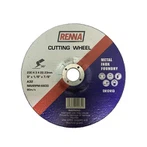
The gears to be ground are usually made of hardened alloy steel or high-speed steel, which require abrasives with high hardness and good thermal stability. White aluminum oxide is widely used in a gear grinding wheel because of its sharp cutting ability and self-sharpening performance, making it suitable for precision grinding. Pink fused alumina, with added chromium oxide, provides better toughness and wear resistance. In practical applications, a mixture of these two abrasives is often selected to balance cutting efficiency and durability, ensuring stable grinding performance and longer service life of the gear grinding tool.
2. Matching Wheel Hardness and Grain Size with Gear Requirements
The hardness of the gear tooth surface and the required surface finish determine the selection of grinding wheel hardness and grain size. Generally, the higher the gear hardness, the softer the gear grinding wheel should be to maintain effective self-sharpening and reduce heat generation. At the same time, finer grain sizes are preferred when lower surface roughness is required. For gears with high precision requirements and large grinding allowance, using different wheels for rough and finish grinding can significantly improve both efficiency and final surface quality.
3. Grinding Method Considerations
When using profiled grinding wheels, a softer gear grinding wheel is recommended to minimize grinding burns and thermal damage on the gear surface. In contrast, CBN grinding wheels offer superior performance due to their high hardness, excellent wear resistance, and long service life. They can significantly reduce dressing frequency and maintain profile accuracy over extended production cycles, making them ideal for high-precision and high-efficiency gear grinding applications.
4. Influence of Grinding Conditions
Grinding conditions, especially dry or wet grinding, have a direct impact on wheel selection. During dry grinding, poor heat dissipation requires a softer, coarser, and more open-structured gear grinding wheel to reduce heat accumulation and avoid surface damage. However, these adjustments may slightly affect surface roughness. In wet grinding, the use of coolant improves heat dissipation, allowing for better surface finish and more stable grinding performance.
5. Special Considerations for Worm Grinding Wheels
When grinding with worm grinding wheels, maintaining tooth profile accuracy is critical. For gears with smaller modules, finer grain sizes are required to ensure precision. At the same time, a relatively higher wheel hardness helps maintain the shape and dimensional stability of the gear grinding wheel during long-term use, ensuring consistent machining accuracy.
Selecting the right gear grinding wheel requires a comprehensive evaluation of gear material, hardness, precision requirements, and grinding conditions. A well-matched grinding solution not only improves machining efficiency but also extends tool life and ensures consistent gear quality.