Garnet sand is a commonly used water cutting abrasive, so the industry is also called water cutting sand. But from the point of view of hardness and sharpness, there is also brown corundum that performs better than garnet. So why not use brown corundum for water-cutting sand, but use garnet sand instead?


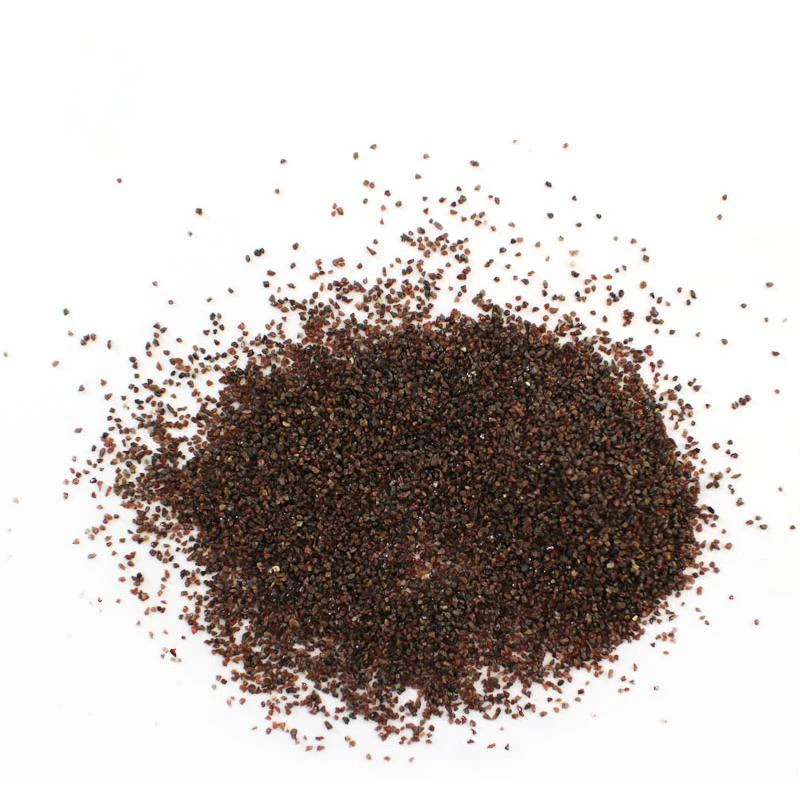
From the point of view of abrasives alone, brown corundum is not an abrasive that cannot be used for water cutting. After all, like garnet sand, it is a polyhedral structure with sharp and hard edges and corners. However, as an abrasive for water cutting, the performance of the abrasive cannot be considered alone, it needs to be closely coordinated with many aspects. For example, consider the overall price, especially the price of consumable sand pipes and sand, and so on.
The hardness of brown corundum is indeed greater than that of garnet, which is also an important advantage that it can play a role in other uses. However, in the water cutting industry, due to its high hardness, it is easy to cause damage or scratches to certain items during cutting. Secondly, due to its high hardness, the wear amount of water jet sand pipe is larger than that of garnet sand. Intuitively, the sand-flushing tube with garnet water can be used for 200 hours, and the sand-flushing tube with brown corundum may be less than 150 hours or even lower. Another important reason is that the price of brown corundum is not a little bit higher than that of garnet.

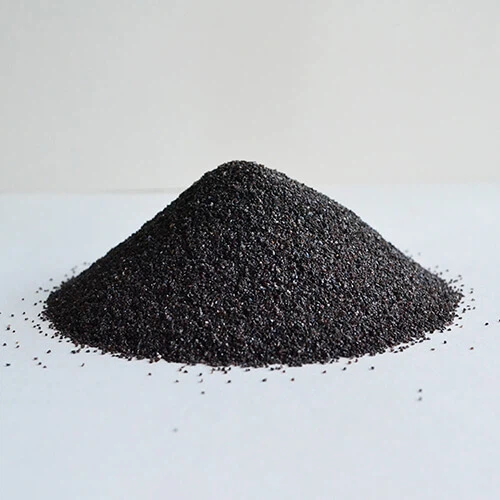
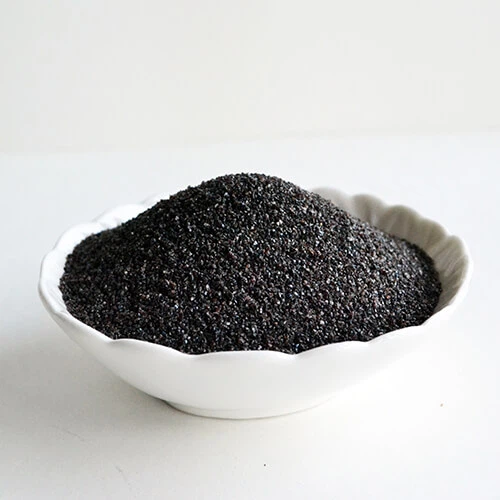
However, although brown corundum cannot be used in water cutting, it is still widely used in other sandblasting fields. Sandblasting in many industrial fields is inseparable from the existence of brown corundum.