Calcined alumina is a high-purity inorganic non-metallic material produced by heating industrial alumina at high temperatures. Its chemical composition is Al₂O₃, and different calcination temperatures and processes can produce various crystal phases, mainly α-Al₂O₃ and γ-Al₂O₃. α-Al₂O₃ offers high hardness, a melting point of about 2054°C, and excellent chemical stability, while γ-Al₂O₃ has a higher specific surface area and good adsorption properties.
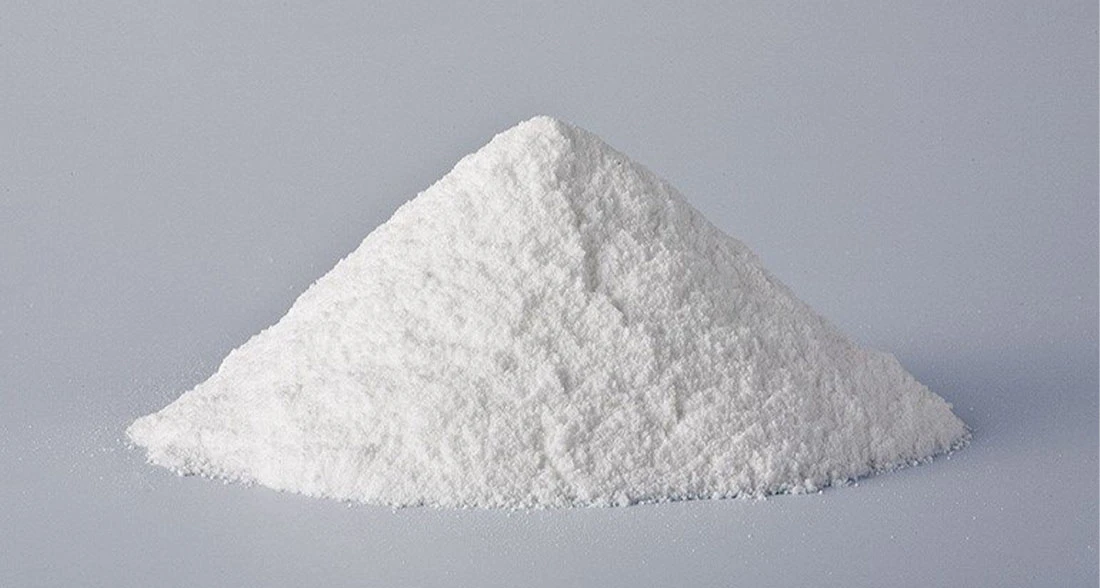
The material is typically supplied as a white powder, with particle size adjustable from submicron to micron levels depending on the application. Its density is generally around 3.9–4.0 g/cm³. It is insoluble in water and most acids and reacts with strong alkalis mainly at elevated temperatures.
Key Applications of Calcined Alumina in Ceramic Manufacturing
1. Improving Mechanical Strength
Adding this material to ceramic bodies can significantly improve hardness, strength, and wear resistance. Its high hardness and rigidity help reinforce the internal ceramic structure, allowing finished products to better withstand impact and friction. This makes it suitable for applications such as architectural floor tiles and wear-resistant industrial ceramic components.
2. Enhancing Thermal Performance
With a relatively low coefficient of thermal expansion, it can help reduce the overall thermal expansion of ceramic products and improve thermal stability. This reduces the risk of cracking caused by thermal stress during firing or rapid temperature changes, making it suitable for high-temperature ceramics, kiln furniture, and refractory ceramics.
3. Supporting Electrical Performance
The excellent electrical insulation and dielectric properties of calcined aluminum oxide make it an important raw material for electronic ceramics. In applications such as circuit substrates and ceramic capacitors, it helps maintain stable insulation and dielectric performance.
4. Increasing Chemical Resistance
Its stable chemical properties can improve the resistance of ceramic products to acids, alkalis, and other corrosive environments. This makes it useful for chemical ceramics, corrosion-resistant pipes, and components exposed to aggressive media.
5. Promoting Sintering and Densification
Under suitable processing conditions, calcined alumina powder can assist sintering, promote grain growth and densification, and reduce porosity. This can improve the density, surface finish, and overall quality of ceramic products.
Applications of Calcined Alumina Powder in Different Ceramic Products
1. Architectural Ceramics
In floor tile production, the material can improve hardness and wear resistance, helping tiles withstand frequent foot traffic and abrasion. Proper adjustment of the addition level can also improve thermal stability and reduce cracking caused by temperature changes. In wall tiles, it can contribute to glaze hardness, gloss, and stain resistance.
2. Electronic Ceramics
Electronic ceramics are one of the important application areas for calcined aluminum oxide. When used in integrated circuit substrates, its high electrical insulation, good thermal conductivity, and stable dielectric properties can support reliable electronic performance. In ceramic capacitors, it can help control dielectric characteristics to meet different application requirements.
3. Advanced and Technical Ceramics
For alumina ceramic cutting tools, ceramic bearings, high-temperature structural ceramics, and other technical ceramics, calcined alumina powder serves as a major raw material. By controlling particle size, purity, and crystal phase, manufacturers can produce ceramics with high strength, hardness, thermal resistance, and corrosion resistance for machining, aerospace, and new-energy applications.
4. Tableware and Household Ceramics
In tableware and household ceramics, a suitable addition can improve mechanical strength and reduce the risk of breakage during use. It can also help improve whiteness and translucency, giving finished products a cleaner appearance and more refined surface quality.
Overall, calcined alumina offers a combination of mechanical strength, thermal stability, electrical insulation, chemical resistance, and sintering performance, making it a versatile raw material for both conventional and advanced ceramic manufacturing.