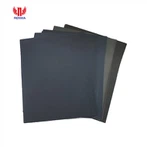
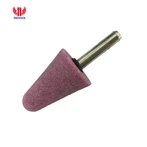
Silicon carbide is made of quartz sand, petroleum coke (or coal coke), sawdust (salt is needed to produce green silicon carbide) and other raw materials through high-temperature smelting in a resistance furnace. Among contemporary non-oxide high-tech refractory raw materials such as C, N, and B, SIC is the most widely used and economical one. It can be called diamond sand or refractory sand. At present, China's industrially produced SIC is divided into black silicon carbide and green silicon carbide.
SIC has four major application areas, namely: functional ceramics, advanced refractory materials, abrasives and metallurgical raw materials.
Silicon carbide can be used for various smelting furnace linings, high-temperature furnace components, SIC plates, liners, supports, saggers, SIC crucibles, etc., taking advantage of its corrosion resistance, high temperature resistance, high strength, good thermal conductivity, and impact resistance. On the other hand, it can be used as high-temperature indirect heating materials in the non-ferrous metal smelting industry, such as vertical tank distillation furnaces, distillation furnace trays, aluminum electrolytic cells, copper melting furnace linings, arc plates for zinc powder furnaces, thermocouple protection tubes, etc.; used to make advanced SIC ceramic materials such as wear-resistant, corrosion-resistant, and high-temperature resistant; it can also be used to make rocket nozzles, gas turbine blades, etc. In addition, SIC is also one of the ideal materials for solar water heaters on highways and aircraft runways.
Silicon carbide coarse materials can be supplied in large quantities and cannot be considered high-tech products, and the application of nano-scale silicon carbide powder with extremely high technical content is unlikely to form economies of scale in a short period of time.
⑴ As an abrasive, it can be used to make grinding tools, such as grinding wheels, oilstones, grinding heads, sand tiles, etc.
⑵ As a metallurgical deoxidizer and high-temperature resistant material.
⑶ High-purity single crystals can be used to manufacture semiconductors and SIC fibers.

Analysis of common unqualified products of silicon carbide abrasives coarser than 240#:
I. SiC content does not meet the standard
Causes: 1. Low SiC content in the crystal block, improper proportion, rapid cooling of the crystallization tube, impure raw materials, and lax classification. 2. Improper chemical treatment.
Prevention measures: 1. Strengthen the quality control of smelting and classification. 2. Strengthen chemical treatment.
II. Free carbon exceeds the standard
Causes: 1. Excessive carbon in the smelting proportion and lax classification. 2. Improper water washing operation. 3. Poor atomization of the drying furnace burning heavy oil.
Prevention measures: 1. Adjust the formula and strengthen classification. 2. Strengthen water washing operation. 3. Improve heavy oil atomization.
III. Magnetic substances exceed the standard
Causes: 1. The crystal block contains too much iron. 2. Aging or improper operation of magnetic separation equipment. 3. Poor pickling quality.
Prevention measures: 1. Strengthen the quality control of smelting and classification. 2. Repair and update the magnetic separator and strengthen magnetic separation. 3. Strengthen pickling operation.
Ⅳ. Ferroalloy particles
Causes: 1. Crushing equipment is worn out. 2. Improper magnetic separation operation.
Prevention measures: 1. Replace the wearing parts of crushing equipment with wear-resistant materials. 2. Strengthen magnetic separation operation.
Ⅴ. Unqualified particle size composition
Causes: 1. After the semi-finished product is screened, the particle size composition of the "semi-finished product" is too poor. 2. Improper screening of finished products, untimely particle size inspection, and improper selection of screens. 3. The screen is blocked or leaking.
Prevention measures: 1. Strengthen the control of semi-finished product screening. 2. Strengthen the operation and inspection of semi-finished product screening. 3. Brush the screen frequently and check for damage.
Ⅵ. Large particles
Causes: 1. The screen has extra large holes or is damaged. 2. The packaging bag is not clean and has large particles. 3. The seal is not tight after packaging. 4. Artificial particle size mixing.
Prevention measures: 1. Repair or replace with qualified screens. 2. Replace with clean packaging. 3. Sew the bag immediately after bagging. 4. Careful operation.