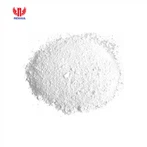
Choosing the right abrasive grain and using it correctly can greatly improve cutting efficiency, surface quality, and product life. Tubes are available in different materials, sizes, and wall thicknesses, so factors such as material hardness, tube shape, and processing requirements should be considered before selecting the proper abrasive solution.
Compared with traditional sawing methods, abrasive cutting is often more efficient and economical for tube processing. Abrasive products are also widely used for grinding, deburring, blending, and finishing applications.
Selecting the Right Abrasive Grain for Tube Processing
The first step in tube cutting or grinding is identifying the desired result. The abrasive product should match the material type and thickness to achieve stable performance.
For thin-wall tubes, flap discs or coated abrasives with suitable grit sizes can help reduce heat generation and prevent excessive material removal. These products provide better control and help maintain the original shape and quality of the tube.
For harder materials, softer bonded cutting wheels are generally recommended because they reduce vibration and provide smoother cutting. Selecting the correct wheel size is also important. Larger diameter wheels can improve efficiency and extend service life when working with larger tubes.
Common Abrasive Products for Tube Cutting and Grinding
Flap Discs
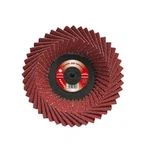
Flap discs are widely used for coating removal, deburring, chamfering, and surface finishing. They are easy to control and provide a consistent grinding effect.
Flap Wheels
Flap wheels offer stronger grinding performance and are suitable for applications requiring both material removal and surface finishing in one operation.
Resin Fiber Discs
Resin fiber discs provide strong cutting ability and are a cost-effective choice for tube grinding. With different backing pads, they can adapt to various working conditions.
For tube cutting, flat cutting wheels are often more suitable than depressed-center wheels because they provide a larger cutting surface and better overall efficiency.
Best Practices for Using Abrasive Grain on Tubes
Apply Proper Pressure
Excessive pressure can increase heat, accelerate wear, and reduce product performance. Allow the abrasive grain to work naturally with steady and controlled movement.
Maintain the Correct Working Angle
Using cutting wheels at the proper angle helps reduce friction and improve cutting stability. For grinding operations, adjusting the angle according to the application can balance cutting speed and wheel durability.
Follow Safe Operating Procedures
Always use proper guards and follow recommended operating methods. Correct installation and safe handling help improve performance and reduce potential risks.
Achieving Better Results with Abrasive Grain Selection
Matching the abrasive grain with tube material, thickness, and processing requirements is the key to improving performance. With proper product selection and operation, users can achieve higher efficiency, longer tool life, and lower processing costs.