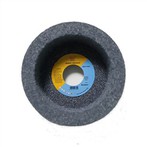
Both white and brown aluminum oxide are commonly used abrasives in industry. While white aluminum oxide is used for a higher level of applications than brown aluminum oxide, it still has a large customer base.
White aluminum oxide boasts a bright white color, high hardness, low toughness, high purity, excellent self-sharpening properties, strong grinding force, low heat generation, high efficiency, acid and alkali corrosion resistance, high temperature resistance, and excellent thermal stability. Its aluminum oxide content exceeds 99%, making it relatively pure, and therefore more expensive. However, many people spend a considerable amount of money on white fused alumina only to store it carelessly, which, due to various reasons, can affect its quality.
So what should we pay attention to when storing white aluminum oxide?
The most important thing is to store white fused alumina in a dry, clean place, avoiding stains and moisture. Generally speaking, the following can damage white aluminum oxide:
1. Organic matter, such as cigarette stains, soy sauce stains, and iodine stains.
2. Metal stains, such as rust, iron rust, and lead stains.
3. Oil stains, gasoline, gasoline, and lacquer.
4. Water stains. Water stains are the number one threat to white fused alumina. Generally, even a small amount of water will evaporate on its own, and many objects themselves will have no significant effect on white aluminum oxide. However, once water is present, physical or chemical changes can occur, causing damage to the material. Therefore, white fused alumina must be stored in a clean, dry, and well-ventilated environment.
This is all the information we need to know about white aluminum oxide care. Please be mindful when storing your white fused alumina, or you will suffer both financial and material losses.