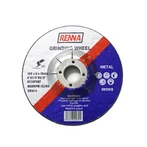
Sandpaper and flap discs are key consumables in industrial production and maintenance work, especially in the metalworking industry. They are not only used to remove rust and oil from metal surfaces, but also to smooth welds, trim cut edges and prepare for painting. This article will detail the different types and advantages of sandpaper for metalworking, as well as the advantages and selection methods of flap discs.
Types and advantages of sandpaper for metalworking:
Sandpaper for metalworking is mainly used for grinding, polishing and cleaning metal surfaces. The correct selection and use of sandpaper is essential to ensure processing quality and extend product life.
1. Type Introduction
⑴ Aluminum oxide sandpaper
Aluminum oxide sandpaper is widely used in metal processing due to its hardness and durability. This sandpaper is suitable for grinding soft metals such as aluminum or copper.
⑵ Silicon carbide sandpaper
Silicon carbide is a harder abrasive suitable for processing stainless steel, cast iron and carbide. Silicon carbide sandpaper is particularly suitable for wet grinding because this method can reduce dust and improve grinding efficiency.
⑶ Ceramic sandpaper
Ceramic sandpaper is ideal for processing extremely hard metals, such as titanium alloys and high-hardness steel. It provides extremely high material removal efficiency and durability.
2. Advantages of sandpaper
⑴ Improve efficiency
High-quality sandpaper can significantly improve the efficiency of the grinding and polishing process and reduce working time.
⑵ Optimize surface treatment
Appropriate use of sandpaper can help achieve the required surface roughness and provide an ideal foundation for painting or other surface treatment.
⑶ Extend service life
Using high-wear-resistant sandpaper can maintain the effectiveness of abrasives over a longer period of time, reduce replacement frequency, and reduce costs.
3. Advantages of flap discs
Flap discs are composed of multiple layers of abrasive cloth blades fixed on a rotating wheel and are widely used in the field of metal processing, especially in the removal and surface finishing of heavy materials.
⑴ Efficient material removal
The design of the flap discs allows for rapid material removal while generating less heat, avoiding overheating of the material.
⑵ Strong adaptability
flap discs are suitable for workpieces of various shapes, including processing of curved surfaces and corners.
⑶ Uniform surface treatment
Flap discs can provide a more uniform surface treatment effect and are suitable for large-area metal surface treatment.
4. How to choose
⑴ Choose the right grit size
Choose the right grit size based on the amount of material to be removed and the desired surface roughness.
⑵ Material compatibility
Choose an abrasive cloth material that is compatible with the work material, such as silicon carbide or aluminum oxide.
⑶ Consider the conditions of use
Consider the type of machine used (such as an angle grinder or a fixed grinder), as well as the possible stress and temperature conditions during work.
The correct selection and use of sandpaper and flaps is crucial to the quality and efficiency of metal processing. Investing in high-quality sandpaper and flaps can not only improve work efficiency, but also help achieve higher product quality standards. When choosing, it is very important to understand the characteristics and applicable conditions of various materials, which will help maximize the performance of sandpaper and flaps and ensure the economy and effectiveness of the processing process.