Brown aluminum oxide and silicon carbide are two common industrial materials, widely used in abrasives, refractories and other high-performance materials. There are significant differences in their composition, characteristics and application range. The following is a detailed comparative analysis:
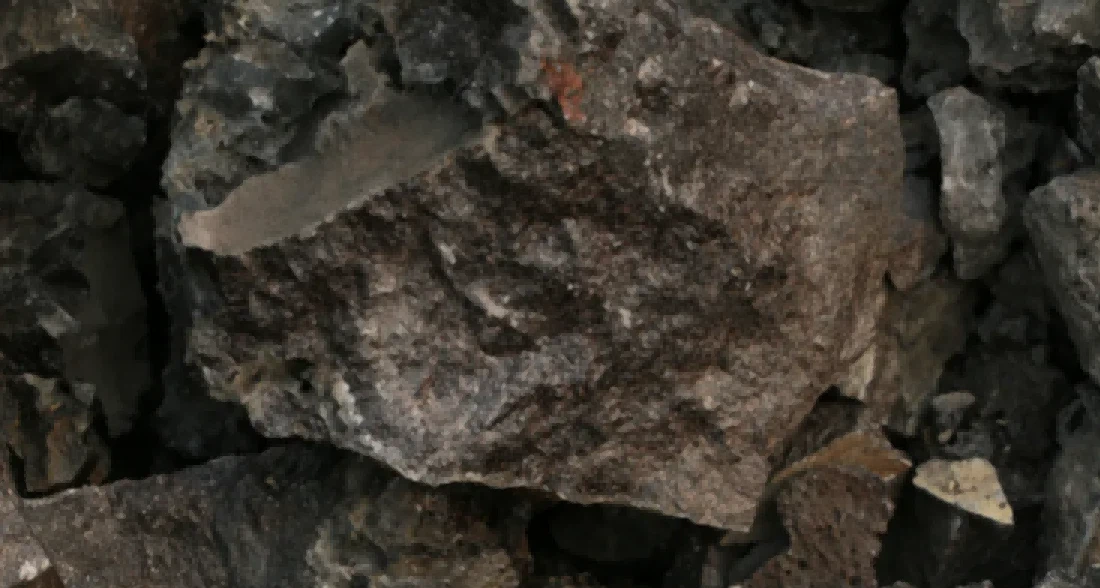
1. Composition
Brown Fused Alumina:
Main ingredient: Alumina (Al₂O₃), content is about 94%. Additional ingredients: Contains a small amount of iron oxide (Fe₂O₃) and silicon oxide (SiO₂). Raw materials: Bauxite and coke are the main raw materials, smelted in an electric arc furnace at high temperature.
Silicon Carbide:
Main ingredient: Silicon carbide (SiC), the purity can reach more than 98% depending on the grade. Raw materials: Quartz sand and petroleum coke (or anthracite) are the main raw materials, smelted in a high-temperature resistance furnace.
2. Comparison of physical and chemical properties
|
Characteristics |
Brown Aluminum Oxide |
Silicon Carbide |
|
Hardness |
Higher (Mohs hardness about 9) |
Very high (Mohs hardness 9.5-10) |
|
Toughness |
Higher, good impact resistance |
Brittle, poor impact resistance |
|
High temperature resistance |
higher, good impact resistance |
Excellent (resistant to over 2000℃) |
|
Corrosion resistance |
Generally, sensitive to acidic and alkaline substances |
Excellent, resistant to acid, alkali and oxidative environments |
|
Thermal conductivity |
Generally |
Excellent (high thermal conductivity material) |
|
Conductive properties |
Non-conductive |
Semiconductor material, which conducts electricity |
3. Comparison of application fields
Main applications of brown aluminum oxide:
Abrasive industry: used to manufacture grinding wheels, grinding heads, sandpaper, grinding paste, etc.
Refractory materials: used as aggregate or fine powder in refractory bricks and castables, suitable for medium and low temperature environments.
Polishing materials: used in surface treatment of metals, glass, and ceramics.
Sandblasting: suitable for surface rust removal, descaling, and surface roughening.
Main applications of silicon carbide:
Abrasive industry: used for cutting hard materials such as stone, glass, ceramics, and cemented carbide.
Refractory materials: used for high-temperature furnace linings and refractory bricks, suitable for high temperature and corrosive environments.
Thermal conductive materials: used for high thermal conductivity composite materials such as heat sinks and thermal management of electronic equipment.
Semiconductor industry: manufacturing power electronic devices such as diodes, transistors, and inverters for electric vehicles.
Chemical industry: used as lining for chemical equipment, resistant to acid and alkali corrosion.
4. Cost and economy
Brown aluminum oxide: Low price, suitable for large-scale use, especially in applications requiring high toughness and medium hardness. Silicon carbide: High price, especially high-purity silicon carbide, used in high-performance and high-temperature fields.
5. Selection basis
If high toughness and low cost are required: choose brown fused alumina, such as metal polishing, general refractory materials and other applications. If high hardness, high temperature resistance, corrosion resistance or thermal conductivity are required: choose silicon carbide, such as cutting hard materials, high-temperature furnace linings or thermal conductive materials.
Summary
Brown aluminum oxide and silicon carbide have their own advantages and disadvantages. The choice should be made based on the specific application requirements: Brown fused alumina is more suitable for scenarios with high toughness requirements and low budget. Silicon carbide performs better in extreme environments (such as high temperature, corrosion, and high thermal conductivity requirements).