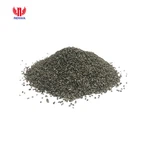
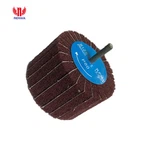
Using the right sanding belt can make a significant difference in both productivity and finishing results. By matching the belt to your machine, application, and material, you can achieve smoother surfaces, reduce sanding time, and extend belt life. When selecting a sanding belt, focus on three key factors: size and shape, grit size, and abrasive material.
01. Sanding Belt Size and Shape Affect Performance
The correct belt size ensures smooth operation and optimal sanding performance.
Belt Width Should Match the Machine
The belt width should always match your sanding machine.Smaller sanders commonly use 50 mm or 100 mm belts for detail work and smaller surfaces, while industrial wide-belt sanders often require 150 mm, 200 mm, 300 mm, or wider belts for large-scale production.
Belt Length Must Fit Properly
The belt length, or circumference, should match the machine's drive and tension system. A correctly sized belt runs smoothly and helps prevent slipping or tracking issues.Common belt lengths include 610 mm, 762 mm, and 915 mm.
Choose the Right Sanding Belt Shape
Endless Sanding Belts
Endless belts are widely used in furniture manufacturing and automated sanding processes. They provide consistent performance and are ideal for sanding large surfaces.
Strip Sanding Belts
Strip belts are suitable for manual sanding, edge finishing, and detail work where greater flexibility is needed.
02. Grit Size Determines the Surface Finish
Grit size affects both the cutting speed and the smoothness of the finished surface. Lower grit numbers remove material faster, while higher grit numbers create finer finishes.
Coarse Sanding (36–80 Grit)
Coarse grits are used for rapid material removal, shaping, and removing paint, coatings, or surface defects.
Intermediate Sanding (100–150 Grit)
Medium grits smooth the surface and remove scratches left by coarse sanding. This range is commonly used in general woodworking and furniture production.
Fine Sanding and Finishing (180–400+ Grit)
Fine grits prepare surfaces for painting, coating, polishing, or other finishing processes. For premium finishes, even finer grits can be used.
Sanding Tip
For the best results, always move gradually from coarse to fine grits rather than skipping grit sizes.
03. Abrasive Material Should Match the Workpiece
Different materials require different abrasive grains to achieve the best sanding results.
Silicon Carbide for Wood-Based Materials
Silicon carbide is a popular choice for wood, plywood, MDF, and particle board. It offers fast cutting performance and helps maintain a clean sanding surface.
Aluminum Oxide and Ceramic Alumina for Metal
Aluminum oxide is suitable for general metalworking applications and provides reliable durability.For stainless steel and heavy-duty grinding, ceramic alumina delivers higher cutting efficiency, longer service life, and excellent performance under demanding conditions.
Zirconia Alumina for Fine Finishing
Zirconia alumina is ideal for applications requiring a smooth, consistent finish. Its durability and stable cutting action make it a good choice for precision sanding and surface refinement.
04. Choosing the Right Sanding Belt Is Simple
Match the Belt to Your Machine
Select the correct width, length, and belt type for your equipment.
Choose the Right Grit
Use coarse grits for stock removal, medium grits for surface preparation, and fine grits for finishing.
Select the Appropriate Abrasive
Match the abrasive material to the workpiece to achieve the best balance of performance, durability, and finish quality.
Choosing the right sanding belt doesn't have to be complicated. By considering your equipment, sanding process, and workpiece material, you can improve efficiency, achieve better surface finishes, and get the most value from every sanding belt.