
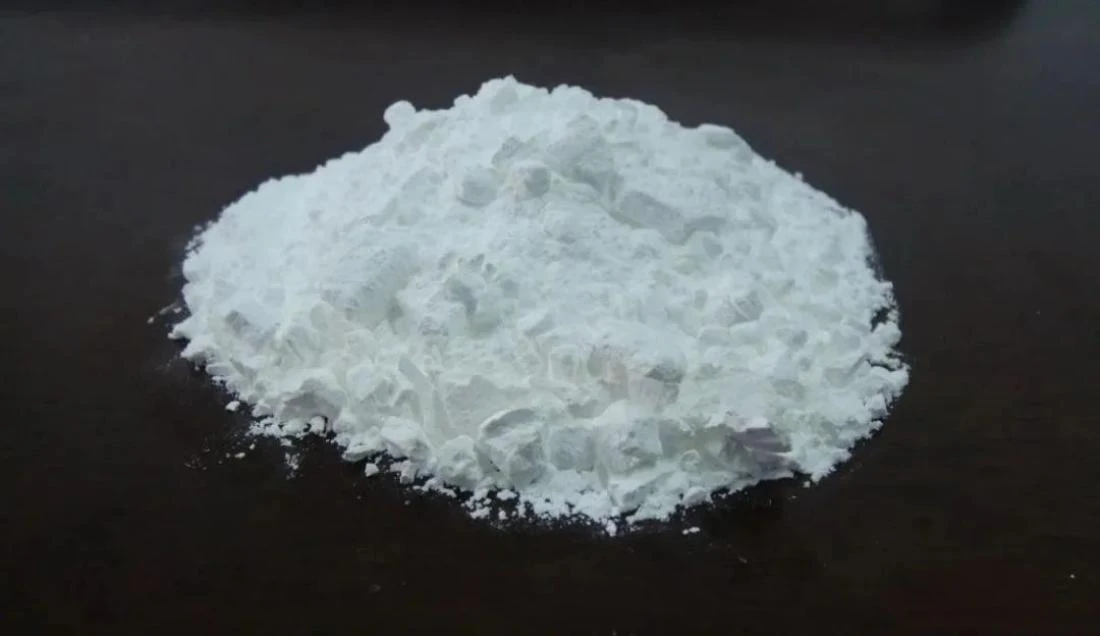
Calcined alumina is a versatile industrial material used in refractory products, abrasive and polishing applications, and advanced ceramics. By adjusting particle size distribution, specific surface area, and purity, manufacturers can tailor its properties to meet different processing requirements.
1. Key Applications of Calcined Alumina
Refractory Materials
Calcined alumina is widely used in refractory castables and other heat-resistant products. Its thermal stability and high alumina content help support strength, wear resistance, and reliable performance in demanding environments such as steelmaking, foundries, and industrial kilns.
Abrasives and Polishing
In abrasive and polishing formulations, carefully controlled particle sizes help achieve consistent material removal and smooth surface finishes. Depending on the grade, calcined alumina can be used for finishing metals, ceramics, and other materials that require precise surface treatment.
Advanced Ceramics
For precision ceramic components, raw material consistency is essential. The purity and particle characteristics of calcined alumina can influence powder processing, sintering behavior, and the quality of the finished product, making it suitable for various high-performance ceramic applications.
2. What Determines Material Performance?
Particle Size and Specific Surface Area
Particle size distribution affects packing, flowability, and surface finish, while specific surface area influences interactions with binders and other formulation ingredients. Selecting the right combination helps improve processing efficiency and product consistency.
Purity and Chemical Composition
High purity and stable chemical composition are important for applications that demand reliable performance and controlled contamination. The appropriate grade should be selected according to actual operating conditions and end-use requirements.
3. Expanding Applications Through Material Innovation
As industrial standards become more demanding, calcined alumina continues to evolve through improved control of purity, particle size, and specific surface area. These developments create opportunities in advanced manufacturing and other emerging technical fields.
Choosing the right calcined alumina grade requires a clear understanding of the application, processing conditions, and required product performance. With suitable specifications and consistent quality, this versatile material can help manufacturers achieve more reliable production and better end results.


