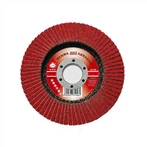
Can the same diamond grinding wheel grind five times as many workpieces when used wet instead of dry? Is water really the only difference?
When purchasing grinding wheels for a factory, many buyers face the same question: dry grinding or wet grinding? Some prefer dry grinding for convenience, while others favor wet grinding for its potential efficiency gains. However, coolant systems and wastewater treatment can add complexity and cost.
Neither method is always better. The right choice depends on the workpiece material, machining requirements, equipment, and operating conditions. This guide explains the advantages and limitations of each method to help you make an informed decision.
01. What Are the Main Differences Between Wet and Dry Grinding?
Here is a side-by-side comparison of the key factors.
| Factor | Dry Grinding | Wet Grinding |
|---|---|---|
| Cost | Lower equipment investment; no coolant required | Higher initial investment for cooling systems |
| Flexibility | Convenient for on-site work and quick operations | Requires coolant delivery and drainage facilities |
| Dust | Produces more dust, requiring extraction or personal protection | Coolant suppresses dust and helps maintain a cleaner workspace |
| Heat control | Friction generates heat, increasing the risk of distortion and grinding burns | Coolant removes heat and helps protect the workpiece and abrasive tool |
| Tool life | Higher temperatures and friction can accelerate wear | Cooling can reduce thermal damage and extend tool life |
| Environmental considerations | Dust must be collected and controlled | Used coolant must be recovered and treated rather than discharged directly |
When choosing a diamond grinding wheel, consider whether the process can effectively control heat and whether the machine supports coolant delivery. These factors influence grinding quality, tool life, and overall operating costs.
02. How Do You Choose Based on the Workpiece Material?
The material being processed is the key to choosing between dry and wet grinding.
| Material | Processing Method | Suitable Applications and Notes |
|---|---|---|
| Metals | Dry grinding | Aluminum, copper, and other soft metals; deburring and rough machining. Low cost and high efficiency. |
| Wet grinding | Stainless steel, titanium alloys, high-temperature alloys, and other difficult-to-machine metals. Suitable for precision machining and polishing, helping reduce surface damage and burrs. | |
| Ceramics and Glass | Dry grinding | Preliminary trimming and edge deburring. |
| Wet grinding | Precision cutting and polishing. Effectively reduces chipping and cracking, making it a primary choice for precision machining. | |
| Stone (Marble, Granite) | Dry grinding | Rough grinding, rapid cutting, and shape correction. |
| Wet grinding | Fine grinding and surface finishing, achieving a noticeably better gloss. | |
| Composite Materials (Carbon Fiber, Fiberglass) | Dry grinding | Rough machining and shape trimming. |
| Wet grinding | Fine grinding and polishing, reducing fiber delamination and surface damage. |
For hard materials such as ceramics and glass, wet grinding is often preferred when edge quality and surface finish are critical. For metals, the choice depends on heat sensitivity, the required finish, and the machining process. Always verify that the selected abrasive tool and machine are suitable for the intended grinding method.
03. Equipment and Abrasives for Wet and Dry Grinding
The previous two sections explain which grinding method to choose and how material characteristics affect that decision. Next, let's look at the supporting equipment and consumables.
The equipment setups are different, but many abrasive tools can be used for both wet and dry grinding when their specifications permit it.
Equipment and Supporting Systems
| Component | Dry Grinding | Wet Grinding |
|---|---|---|
| Main equipment | Angle grinders, belt sanders, bench or pedestal grinders | Grinding machines, lapping machines, polishing machines |
| Cooling and circulation | No coolant circulation system required | Coolant circulation and filtration systems |
| Dust and fluid management | Dust extraction equipment and suitable respiratory protection | Drainage lines and coolant recovery; wastewater must be properly managed |
| Post-processing | Remove debris and clean the workpiece | Clean the workpiece and apply rust protection when needed |
Abrasive Tools and Consumables
| Tool or Consumable | Dry Grinding | Wet Grinding | Applications and Notes |
|---|---|---|---|
| Diamond grinding wheel / CBN grinding wheel | Suitable when rated for dry use | Often preferred where coolant is compatible | Used for cemented carbide, ceramics, glass, stainless steel, and superalloys. Coolant helps reduce grinding burns and may extend tool life. |
| Sandpaper / abrasive cloth | Dry sanding products | Waterproof abrasive products | Rough sanding of wood, plastics, and metal surfaces |
| Diamond / silicon carbide brushes | Suitable for approved applications | Depends on operating conditions | Finishing irregularly shaped workpieces; select according to temperature and static-control requirements |
| Diamond lapping disc | Generally unsuitable unless designed for dry use | Suitable for compatible wet processes | Surface lapping, pre-polishing, and deburring |
| Polishing pad and polishing fluid | Generally unsuitable for conventional fluid-based polishing | Commonly used | Precision polishing with diamond, alumina, or ceria abrasives |
As the comparison shows, the main differences often lie in the supporting equipment and coolant management rather than the abrasive tool itself. When selecting a diamond grinding wheel, check the manufacturer's specifications for dry or wet use, recommended operating speed, and coolant requirements.
Start by choosing the grinding method according to the workpiece material and machining requirements. Then select compatible equipment and abrasives to achieve the required finish, productivity, and service life.