


Unlike traditional sheet sandpaper, a sanding foam roll is flexible and compressible, allowing it to conform easily to curved surfaces, edges, and hard-to-reach areas where conventional sandpaper often falls short. To achieve the best sanding and polishing results, it's important to use it correctly. Here are three key tips to help you get a smoother, more consistent finish.
1. Choose the Right Backing Tool for a Sanding Foam Roll
Don't rely on holding the sanding foam roll with your fingers alone. Using the proper backing tool helps distribute pressure evenly and improves the overall surface finish.
● For curved or rounded surfaces, use a soft wooden block, such as pine. Its slight flexibility allows the sanding foam to follow the contour of the workpiece, reducing the risk of uneven sanding marks.
● For flat surfaces, use a harder wood block, such as cherry. The rigid support provides even pressure, producing a flatter and smoother finish.
No matter which backing tool you use, make sure its edges are rounded rather than sharp. Sharp corners can easily scratch the workpiece and damage the surface you've already prepared.
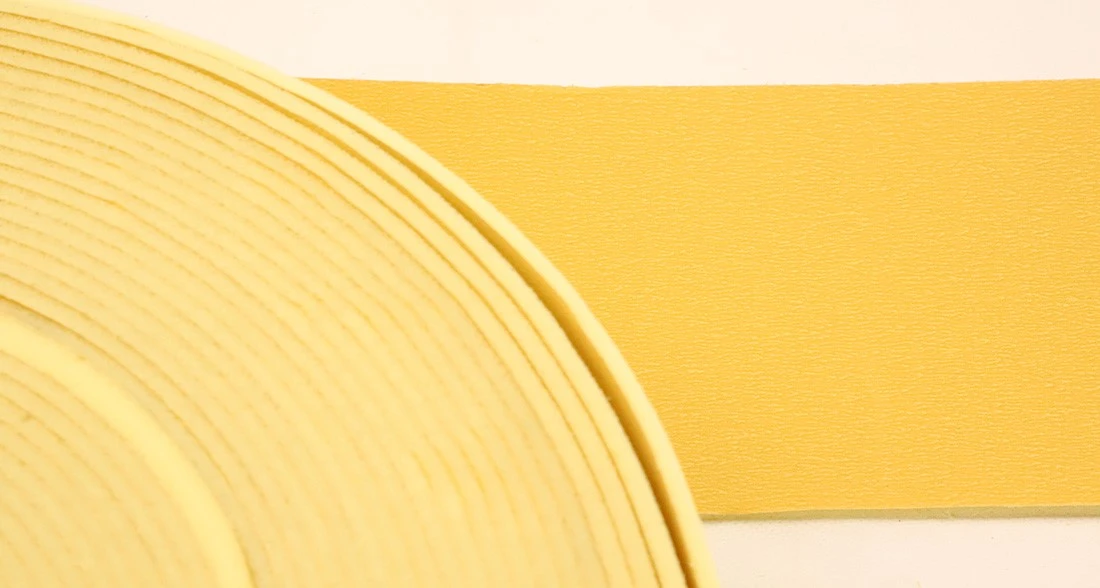
2. Replace the Sanding Foam Roll Properly
When changing from a coarse grit to a finer one, follow two important steps.
First, change the sanding direction. The new sanding pattern should cross the previous one at an angle of 45° to 90°. This makes it easier to identify and remove scratches left by the previous grit, ensuring that no areas are overlooked.
Second, clean the workpiece thoroughly before continuing. Wipe the surface with 100% cotton cloth dampened with alcohol or another suitable cleaning solution. Even a tiny piece of grit left on the surface can create deep scratches during the next sanding stage and affect the final finish.
3. Apply Light Pressure When Using Fine-Grit Sanding Foam Rolls
When using #1200 or #1500 sanding foam rolls, avoid applying excessive pressure. Pressing too hard can crush the fine abrasive grains, reducing cutting performance and leaving unwanted scratches on the workpiece.
For the best polishing results, sand in two different directions with each grit. After completing the first pass, rotate the sanding direction by 45° to 90° and make a second pass. This cross-sanding technique helps eliminate directional scratch patterns and produces a smoother, more uniform surface finish.


