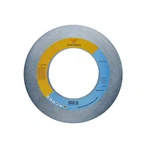
In modern manufacturing and material processing, the performance of abrasive materials has a direct impact on production efficiency and product quality. Aluminum oxide sandpaper, a versatile abrasive suitable for both dry and wet sanding, has become a trusted solution across a wide range of industries. Thanks to its excellent durability, consistent cutting performance, and broad compatibility, it provides an efficient and reliable finishing solution for various applications.
01. Versatile Applications
Aluminum oxide sandpaper is widely used in many industrial applications because of its excellent adaptability. In mold and die manufacturing, it helps improve surface finish and machining accuracy, ensuring high-quality molds for precision production. In metalworking, it efficiently removes burrs, oxidation, and other surface imperfections while improving the appearance and durability of metal components.
In woodworking, aluminum oxide sandpaper delivers reliable performance for both rough stock removal and fine finishing. It is equally effective for processing stone, glass, and ceramic materials, providing consistent results on materials with different hardness levels. In addition, it is widely used in the plastics, rubber, and electronics industries, where high-quality surface preparation is essential for producing reliable finished products.
02. Outstanding Performance
The advantages of aluminum oxide sandpaper lie in its balanced combination of hardness, toughness, and wear resistance. Compared with conventional sandpaper, it offers a longer service life, reducing the frequency of replacement and minimizing production downtime.
It also delivers excellent value by combining competitive cost with long-lasting performance, helping manufacturers lower overall operating expenses.
Another important advantage is its compatibility with a wide range of sanding equipment. Aluminum oxide sandpaper works efficiently with angle grinders, random orbital sanders, and other common sanding tools, allowing users to choose the most suitable equipment for different applications while maintaining consistent finishing quality.
03. Usage Guidelines
1. Proper Operation
Before sanding, identify the material being processed, whether it is metal, wood, or another material. Aluminum oxide sandpaper is generally recommended for metal applications, while silicon carbide sandpaper is often a better choice for wood finishing. Select the appropriate grit size according to the material and finishing requirements. During sanding, maintain consistent pressure and the correct sanding angle to prevent excessive heat buildup and uneven abrasive wear.
2. Storage Conditions
Store aluminum oxide sandpaper in a dry, well-ventilated environment to prevent moisture from affecting the adhesive or causing abrasive grain loss. Keep it away from sharp objects that could damage the abrasive surface.
3. Safety Precautions
Always wear appropriate personal protective equipment, including safety glasses, a dust mask, and gloves, to protect against dust and debris generated during sanding. When using power tools, ensure that the equipment is properly grounded and operated according to the manufacturer's safety instructions.
4. Equipment Compatibility
Before using aluminum oxide sandpaper with angle grinders, random orbital sanders, or other sanding equipment, make sure the machine is securely assembled and the sandpaper is installed correctly. Proper installation helps prevent the abrasive from coming loose during high-speed operation and ensures safe, stable performance.