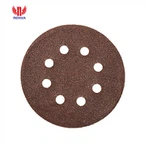
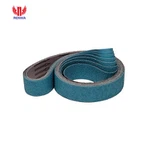
Straight grinding wheels are commonly used in the manufacturing and metalworking industries for a variety of applications. These wheels are made from abrasive materials that are bonded together to form a solid and durable wheel that can remove material quickly and efficiently.
The abrasive material used to make straight grinding wheels can vary depending on the application. Some common materials used include aluminum oxide, silicon carbide, and ceramic. Each material has its own unique properties that make it ideal for specific applications.
Aluminum oxide is the most widely used abrasive material for straight grinding wheels. This material is hard and durable, making it ideal for grinding and cutting softer metals like aluminum and brass. It is also effective for grinding hardened steel and other tough materials.
Silicon carbide is another popular abrasive material used in straight grinding wheels. This material is harder than aluminum oxide and can be used for grinding harder materials like cast iron and stainless steel. It is also effective in grinding non-metallic materials like ceramics and glass.

Ceramic is a newer abrasive material that is becoming increasingly popular in the industry. It is extremely hard and durable, making it ideal for grinding and cutting the toughest materials like high-speed steel and aerospace alloys. Ceramic grinding wheels also last longer than traditional abrasives, reducing the need for frequent wheel changes.
There are several factors to consider when choosing a straight grinding wheel for a specific application. The size and shape of the wheel, the amount of pressure applied to the wheel, and the speed of the grinding process can all affect the performance and durability of the wheel.
The size and shape of the wheel are critical factors that determine the amount of material that can be removed in a single pass. Smaller wheels are ideal for precision grinding and finishing while larger wheels are better suited for heavy material removal. The shape of the wheel can also affect the grinding process, with different shapes being better suited for specific applications.
The pressure applied to the wheel is another critical factor to consider. Excessive pressure can cause the wheel to wear out quickly and reduce its effectiveness. Similarly, too little pressure can result in a slower and less efficient grinding process.
Finally, the speed of the grinding process is another critical factor to consider. Too slow of a speed can result in a poor quality finish while too high of a speed can cause the wheel to wear out quickly. The proper speed for a specific application can vary depending on several factors including the type of material being ground, the size and shape of the wheel, and the amount of pressure being applied.