1. The Art of Polishing: Achieving a Mirror Finish on Stainless Steel
Mirror-finished stainless steel is everywhere in modern life. From decorative trim in luxury hotels and polished kitchenware to the sleek interiors of elevators, its reflective surface adds a clean, refined look to everyday spaces.
Behind these finishes is a carefully controlled process known as stainless steel mirror polishing. It involves a series of grinding and finishing operations designed to create an exceptionally smooth surface with a high level of reflectivity.
Beyond appearance, mirror polishing also serves practical purposes across several industries. In architectural applications, it gives building facades a modern look while reflecting the surrounding environment. In electronics manufacturing, it enhances product appearance and perceived quality. In medical equipment manufacturing, smooth, polished surfaces are easier to clean and disinfect, helping meet hygiene requirements.
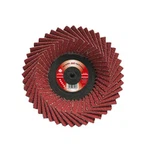
The quality of the polishing process directly affects the final product. Among the key factors, white aluminum oxide grinding wheel grit selection and grinding pressure play an important role in achieving a consistent mirror finish.
2. White Aluminum Oxide Grinding Wheels: A Key Tool for Mirror Polishing
A white aluminum oxide grinding wheel is a widely used abrasive tool for stainless steel finishing. It is manufactured by melting high-purity industrial alumina in an electric arc furnace. Its main mineral component is alpha-alumina (α-Al₂O₃), typically accounting for more than 98% of its composition.
One of its main advantages is high hardness, surpassed only by a few abrasive materials such as diamond and silicon carbide. This allows the abrasive grains to remove microscopic surface irregularities efficiently. When polishing stainless steel cookware, for example, the wheel can quickly smooth rough areas and prepare the surface for finer finishing. Its hardness also helps maintain abrasive performance over extended use, reducing wheel wear and operating costs.
Wear resistance is another important advantage. Mirror polishing often involves repeated grinding and finishing operations. A white aluminum oxide grinding wheel can maintain relatively stable cutting performance throughout the process, helping produce a more uniform surface. Compared with lower-quality wheels that may wear unevenly, it offers more consistent results and better process stability.
Its cutting ability is equally important. The abrasive grains are sharp and have good self-sharpening properties. As individual grains become dull during grinding, they can fracture along their crystal planes under suitable grinding forces, exposing fresh cutting edges. This helps maintain cutting efficiency and remove surface defects, scratches, and other imperfections.
By gradually refining the stainless steel surface, a white aluminum oxide grinding wheel provides a reliable foundation for achieving a smooth, reflective finish.
With its combination of hardness, wear resistance, and cutting performance, this abrasive tool plays an important role in stainless steel mirror polishing. Choosing the appropriate grit size and controlling grinding pressure are essential to getting the best results.