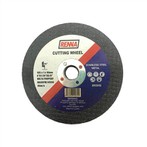
1. Excellent physical properties, ultra-high hardness and grinding force
White aluminum oxide has a Mohs hardness of 9 or above (second only to diamond), and can effectively remove stubborn impurities such as oxide layer, rust, welding slag, etc. on the metal surface. It is especially suitable for processing materials with higher hardness such as stainless steel and aluminum alloy.
Wear resistance and stability
The particles are not easily broken during the high-pressure blasting process and can maintain stable shape and size for a long time, ensuring uniform sandblasting effect and reducing the frequency of consumable replacement.
2. Environmental protection and operational advantages
Low dust pollution
The high density of white aluminum oxide makes the amount of dust generated during sandblasting significantly lower than other abrasives (such as cheap corundum). The wet blasting process can further suppress dust and meet environmental protection requirements.
High purity and safety
White aluminum oxide has an aluminum oxide content of >99%, with very few impurities. The surface of the workpiece is clean and free of residue after sandblasting, and no secondary cleaning is required, and the risk of chemical pollution is avoided.
3. Advantages of surface treatment effect
Fine processing capability
White aluminum oxide has fine particles and sharp edges, with concentrated impact force, which can achieve fine processing of the workpiece surface (such as matte, texture adjustment) while keeping the base material color unchanged. It is suitable for polishing high-end stainless steel products and precision parts.
Enhance coating adhesion
The uniform rough surface formed after sandblasting can significantly improve the bonding strength of subsequent coatings (such as paint and plating) and extend the service life of the product .
4. Wide range of application scenarios
|
Application Areas |
Specific Functions |
|
Metal rust removal and cleaning |
Efficiently remove rust and oxide scale without damaging the substrate |
|
Surface roughening/beautification |
Adjust roughness (such as increasing friction surface) and achieve matte/glossy effects. |
|
Stress relief |
Eliminate metal surface stress and improve parts fatigue resistance. |
|
Composite material processing |
Used for surface activation of non-metallic materials such as fiberglass, ceramics, etc. |
5. Advantages compared with other sandblasting materials
|
Characteristic |
White Aluminum Oxide |
Brown Aluminum Oxide |
Emery |
|
Hardness |
★★★★★ (9+) |
★★★★☆ (8.5) |
★★★☆☆ (7) |
|
Dust volume |
Very low |
Medium |
High |
|
Purity |
>99% Al₂O₃ |
≈95% Al₂O₃ |
Dust risk |
|
Workpiece color change |
Nothing |
May turn yellow |
May be gray |
|
Applicable materials |
Stainless steel/aluminum/precision parts |
Ordinary steel |
Cast iron/rough machining |
Tip: For high-precision workpieces (such as semiconductor components and medical devices), it is recommended to use high-purity white aluminum oxide (Al₂O₃≥99.5%) to avoid trace impurities affecting surface integrity.
White aluminum oxide sandblasting has become the preferred solution for surface treatment in high-end manufacturing industries (such as aerospace, automotive parts, and medical devices) due to its top hardness, environmental protection, low dust, fine effect, and universal material. Its comprehensive performance advantages far exceed traditional abrasives in improving efficiency, ensuring quality, and reducing environmental costs.